
33 lenders. That’s how many different companies experts looked at just to figure out who actually offers the best deals. It sounds like a massive headache, but when you’re staring down a pile of credit card debt or a sudden kitchen renovation, you don’t have time to play detective. You just need to know which way the wind is blowing before you sign anything.
The market right now is a bit of a wild west. You have old-school giants like Wells Fargo sitting right next to tech-heavy newcomers like Upstart or SoFi. Some want to see your tax returns and your life story, while others just want to glance at your credit score and give you an answer before you’ve even finished your coffee. It’s a lot to take in.
If you’re looking to consolidate debt or fund a life event, remember that not all money is created equal. The interest rate you see on a flashy advertisement is often a “best-case scenario” that requires a perfect credit score and a high income to actually get. You have to look past the marketing and find the actual math.
Picking Your Lane in the Lending World
There are generally two ways to do this: the traditional bank route or the digital lender route. Banks like Wells Fargo offer a sense of familiarity, but they often move at the speed of a glacier. Online lenders are built for speed, often promising quick decisions and fast fund transfers.
If you need cash quickly, online platforms are usually your best bet. For instance, you can find online personal loans from $2,500 to $40,000 through companies like Discover, which can help bridge the gap between a financial crisis and a stable budget. These digital-first lenders have stripped away the paperwork and replaced it with slick apps and automated underwriting.
But you aren’t stuck with just one choice. There are several distinct categories of lenders to weigh:
- Traditional Banks: Good if you already have a long relationship there, but they can be stingy with rates for anyone below a 700 score.
- Credit Unions: Often have the lowest rates, but you usually have to belong to the union first.
- Peer-to-Peer Lenders: Companies like LendingClub connect you directly with individual investors.
- Fintech Lenders: These are the tech companies that use alternative data to approve people who might not fit the standard banking mold.
I often tell people that your relationship with your bank matters less than the actual numbers on your credit report. A bank might give you a sweetheart rate because you’ve had a checking account there for ten years, but a fintech lender might give you a lower rate simply because their algorithm likes your employment history better. It is a cold, hard game of data.
The Numbers That Actually Matter
You will see a lot of talk about APR, but most people get it twisted. The APR is the only number that tells the real story because it includes the interest rate plus any fees tucked into the fine print. If you only look at the interest rate, you might end up paying hundreds more than you expected over the life of the loan.
Take the current market into account. For example, some of the best personal loans can start from 6.49% APR, which is a great rate if you have stellar credit. However, if your credit is just “okay,” you might find yourself looking at much higher numbers. You need to be prepared for that reality check.
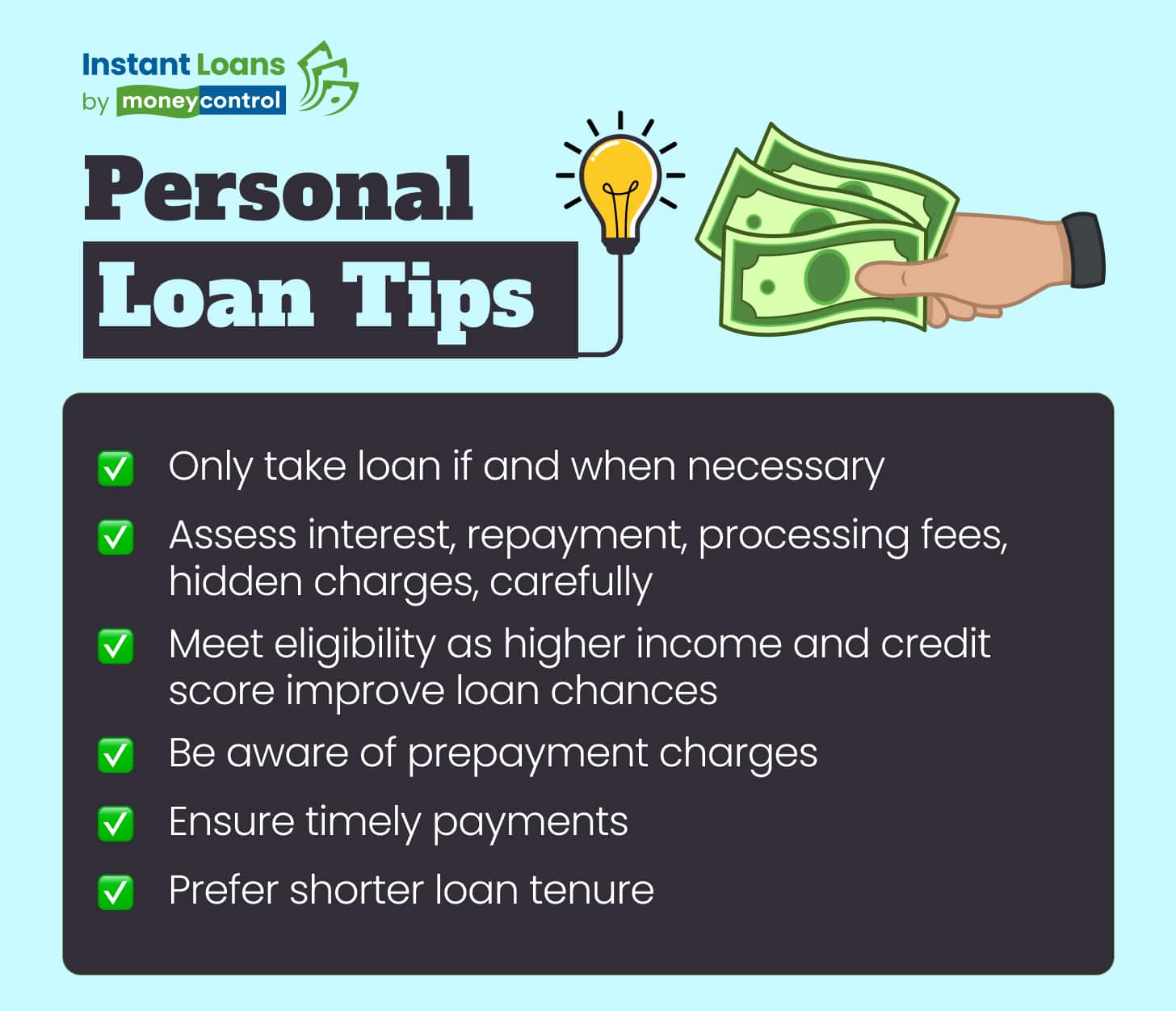
When you’re comparing options, keep a spreadsheet. It sounds tedious, but it’s the only way to stay sane. Look at the monthly payment, the total cost of the loan, and whether there is a prepayment penalty. A prepayment penalty is a fee you pay just for being responsible and paying the loan off early. It’s a terrible way to save money.
| Lender Type | Typical Speed | Credit Requirement | Best For… |
|---|---|---|---|
| Traditional Bank | Slow (Days/Weeks) | High | Existing customers |
| Online Lender | Fast (Minutes/Hours) | Variable | Speed and convenience |
| Credit Union | Moderate | Moderate | Lowest interest rates |
And if you’re worried about your credit, don’t panic. Many lenders now allow you to “check your rate” with no impact to your credit score. This is what the pros call a “soft pull.” It allows you to see what you qualify for without leaving a permanent scar on your credit report. Use this to your advantage before you commit to a “hard pull” which actually affects your score.
Avoiding the Debt Trap
A personal loan is a tool, and like any tool, it can be used to build something great or cause a lot of damage if you use it wrong. People often use a loan to pay off credit cards, which is a smart move if the loan has a lower interest rate. It consolidates your debt into one easy monthly payment and stops the high-interest bleeding. But it only works if you actually stop using those credit cards once they are paid off.
If you pay off $10,000 in credit card debt with a personal loan and then immediately swipe those cards again, you haven’t solved your problem; you’ve just doubled it. This is where most people fall apart. They feel the weight of the debt lift and think they are “free,” but they have actually just traded a revolving debt for a fixed installment debt that is now twice as large. It is a dangerous psychological trap.
When you are browsing through options on sites like OneMain Financial or other providers, you might see offers that seem almost too good to be true. Always ask yourself: “Why do I need this money right now?” If the answer is “to buy something I can’t afford,” then the loan is going to be a burden, not a blessing. If the answer is “to consolidate high-interest debt to save money,” you are on the right track.
I once knew a guy who took out a $15,000 personal loan to “upgrade his lifestyle” by buying a better car and a fancy vacation. Within eighteen months, he was struggling to make the monthly payments while still carrying the car note. He was drowning in monthly obligations he had created for himself. Do not be that guy. Borrow for what you need, not for what you want in a fleeting moment of excitement.
It’s worth looking at your debt-to-income ratio before you even start applying. This is the percentage of your gross monthly income that goes toward paying your existing debts. If this number is already high, getting another loan might be a massive risk to your financial stability, even if the lender says you’re approved.
The Truth About Approval and Rates
You might think a high income is a magic ticket to a low interest rate. It helps, but it isn’t everything. Lenders are obsessed with your “stability.” They want to see that you have been at your job for a while, that you have a history of paying your bills on time, and that you don’t jump from one apartment to another every six months. They aren’t just looking at how much you make; they are looking at how likely you are to keep making it.
But life happens, and sometimes your credit score takes a hit because of a medical bill or a temporary lapse in employment. If you find yourself in that position, don’t assume you are stuck with predatory lenders. Some lenders specialize in people with less-than-perfect credit. They will charge you more, yes, but they provide a path to rebuilding your score by proving you can handle an installment loan. It is a stepping stone, not a permanent destination.
If you are considering using a service like Jetzloan to help navigate your options, make sure you understand exactly what the terms are before you commit. You should always compare at least three different offers side-by-side. A lender might offer a lower monthly payment, but if that’s because they stretched your term from three years to six years, you will end up paying a fortune in interest over the long haul. Always look at the total repayment amount.
One thing that often trips people up is the “origination fee.” This is a fee the lender takes out of the loan amount before you ever see the money. If you apply for $10,000 and there is a 5% origination fee, you aren’t getting $10,000; you are getting $9,500, but you are still paying interest on the full $10,000. It is a sneaky way for lenders to pad their profits, so always ask: “What is the net amount I will actually receive in my bank account?”
Even with all these fees and variables, a personal loan can be a life-changing move if used with discipline. It can turn a chaotic mess of various due dates and varying interest rates into a single, manageable line item in your budget. It can give you the breathing room you need to finally start saving for retirement or a down payment on a home instead of just treading water every month.
The biggest fear people have is that they will take out a loan and then realize they can’t afford the payments, leading to a cycle of debt that never ends. The reality is that if you use a calculator to run your numbers based on your actual take-home pay, not your gross salary, and you build in a little bit of a buffer, you can manage a personal loan without losing your peace of mind.
Common questions
What are the different types of personal loan options available?
Common options include unsecured personal loans, secured loans backed by collateral, and fixed-rate loans with predictable monthly payments.
How do personal loan services determine my interest rate?
Lenders typically base interest rates on your credit score, income level, debt-to-income ratio, and employment history.
Can I use a personal loan for any purpose?
Most personal loans are versatile and can be used for debt consolidation, home improvements, medical bills, or emergency expenses.
What is the difference between a secured and an unsecured personal loan?
Secured loans require an asset like a vehicle or savings account as collateral, while unsecured loans do not require collateral but often carry higher interest rates.
Are there penalties for paying off a personal loan early?
Some lenders charge prepayment penalties, so it is essential to check your loan agreement for any fees associated with early repayment.
{“@context”: “https://schema.org”, “@type”: “Article”, “headline”: “The Real Math Behind Your Next Personal Loan”, “description”: “33 lenders. That’s how many different companies experts looked at just to figure out who actually offers the best deals. It sounds like a massive headache, but when you’re staring down a pile of credit card debt or a sudden kitchen renovation, you don’t have time to play detective. You just need to “, “datePublished”: “2026-07-14”, “dateModified”: “2026-07-14”}